
The First Cut

Updated: Feb 28
Week One at Zoo Media

My first week at Zoo Media began with me confidently walking into the wrong door.
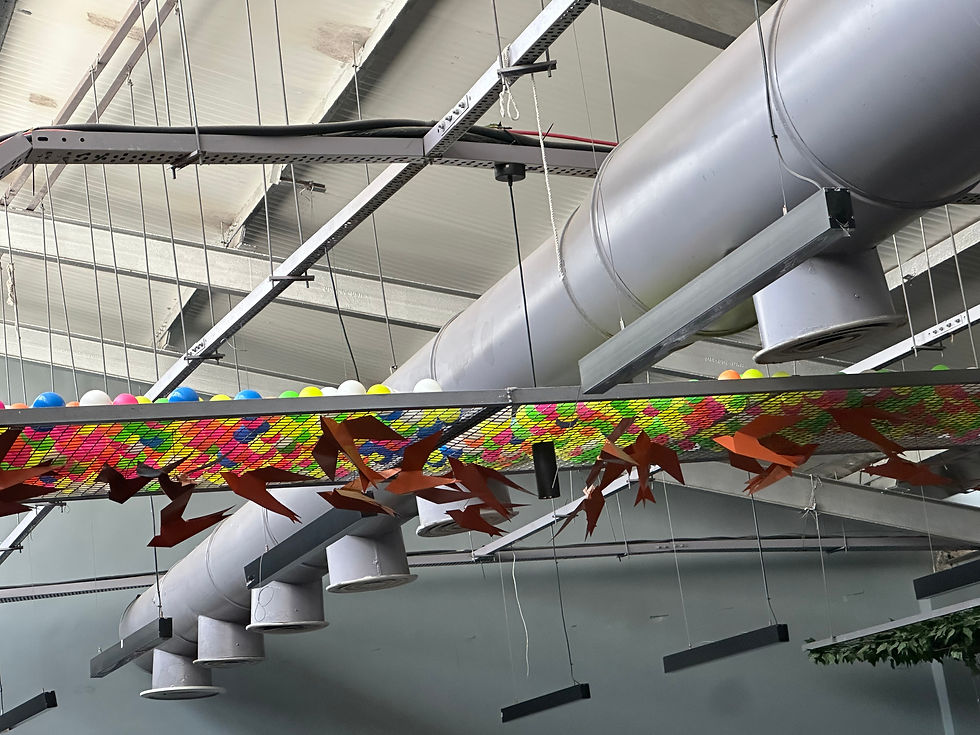
It felt like a fitting start, slightly disoriented, slightly overwhelmed, but curious enough to keep moving. The office at Paragon Centre, Worli, is not the kind of place you ease into quietly. It’s expansive and alive. Multiple companies under one roof: The Rabbit Hole, Pollen, Foxymoron, The Starter Labs, and teams everywhere you look: designers, animators, editors, account managers, copywriters, sales executives, HR. Rows of long desks stretch across the floor. Glass meeting rooms line the walls. Warm yellow lamps glow on personalised workstations. Some desks have figurines hanging off monitors; others have framed quotes or tiny plants. There’s a tea machine stacked with Zoo Media mugs, café-style pods for meetings, and even a slide leading up to a game attic.
I spent most of day one observing. Trying to remember names. Failing. Realising I’m the only girl on my edit team. Staring at the ceiling for a moment longer than necessary, just letting it all sink in.
Then the work began.
My first assignment was a 40–50 second anniversary video for a Punjabi family. The brief was simple: reception vibe, cute, wholesome. I connected the hard disk, opened Adobe Premiere Pro, and began cutting. That’s when it hit me, editing isn’t just selecting clips. It’s rhythm. It’s understanding that music runs in counts of four. That applause needs to land on the beat. That volume builds gradually. That a cut placed half a second too early feels wrong even if you can’t explain why. What looks effortless on screen is actually precise and deliberate.
By the second day, feedback sharpened everything. Sync the claps tighter. Let the beat breathe. Refine, don’t rush. Small adjustments made a visible difference. And somewhere between reworking transitions and nudging audio levels, I started to understand that editing is less about adding and more about aligning.
As the week unfolded, the learning stopped being linear and started coming all at once. Version naming formats. Folder hierarchies: rushes, project files, exports, music, supers. TIFF versus JPEG. Vertical workspace for 9:16, editing workspace for 16:9. Safe margins always on. Match frame. Cmd+L to unlink. J and L for speed. + and – to stretch the timeline. Film Impact transitions. Crossfades. Audio syncing to beat counts of four. No jerk cuts. Rename, relink, re-export, repeat. It felt like information in tabs constantly opening, and just when I thought I’d caught up, another shortcut appeared.
And then, finally, a small breath.
Midweek, I stepped away from the timeline and onto my first product shoot for a client. Watching it all unfold was a different kind of education. Lights positioned carefully to eliminate shadows. Backdrops swapped with precision. Mics tested, and failing. Only three reels had clean mic audio, so we scrapped all of it for consistency. Editing, I’m learning, is as much about restraint as it is about skill.

By Thursday, I was building timelines for eight reels from the shoot. Separating footage by outfits. Planning transitions for static frames. Sitting with my supervisor to map the week ahead. The nerves from day one hadn’t disappeared, but they had quietened. I wasn’t just watching anymore, I was participating.
Friday felt different. I edited a reel start to finish, brainstormed supers and slates with the graphic designer, and sat in a meeting where my questions were taken seriously. I was added to the Zoo Media WhatsApp group with a warm welcome from the team, a small notification that felt like a milestone. When my efficiency was appreciated during a discussion, I nodded calmly. Internally, it felt like fireworks.
I started the week overwhelmed and slightly intimidated. I ended it tired, curious, and proud. Five days in, and I already know this: the magic isn’t just in the footage.
It’s in the edit.


Comments